Indole and isatin derivatives with Au(I): Highly cytotoxic metallic species

Bioactive and luminescent indole and isatin based gold(I) derivatives, Fernández-Moreira, V.; Val-Campillo, C.; Ospino, I.; Herrera, R. P.; Marzo, I.; Laguna, A.; Gimeno, M. C. Dalton Trans. 2019. DOI: 10.1039/C8DT00298C

Abstract. A series of luminescent monometallic [AuL(PPh3)] (1-3) and bimetallic [Au2(µ-dppe)L2] (4, 6, 8) and [Au2(µ-dppp)L2] (5, 7, 9) complexes, where L is either 4-cyano-indole, isatin, or 5,7-dimethyl-isatin, and dppe and dppp are 1,2-bis(diphenylphosphino)ethane and 1,3-bis(diphenylphosphino)propane, respectively, have been synthesised. X-ray diffraction confirmed the tendency to establish aurophillic interations for those complexes containing dppe. Luminescent studies and theoretical calculations revealed a different origin for both families, i.e. indole and isatin species. Thus, indole derivatives presented a ligand-to-ligand-charge-transfer transition (LLCT) from the indole to the PPh3 fragment, whereas for the isatin derivatives an intraligand–charge-transfer transition (ILCT) within the isatin fragment is proposed. In both cases the gold centre slightly implicated as a ligand-to-metal-charge transfer transition (LMCT) (from the indole/isatin to Au(I)). Cell antiproliferative assays in lung cancer cells (A549), leukemia Jurkat-pLVTHM and Jurkat-shBak cells (cisplatin sensitive and resistant respectively) showed excellent cytotoxic values (10.11 – 0.28 μM), resulting the leukemia cells the most sensitive and the bimetallic species the most active agents. Preliminary studies associated the cytotoxicity to a combination of diferent factors, being the metallic fragment the main responsible. Remarkably, these complexes are able to inhibit the cellular growth of cisplatin resistant Jurkat-shBak cells highlighting their promising future as an alternative anticancer agent.

Posted in Cancer, Collaboration, Indole, Publication, Raquel P. Herrera | Tagged , , , , , , , , , , | Leave a comment

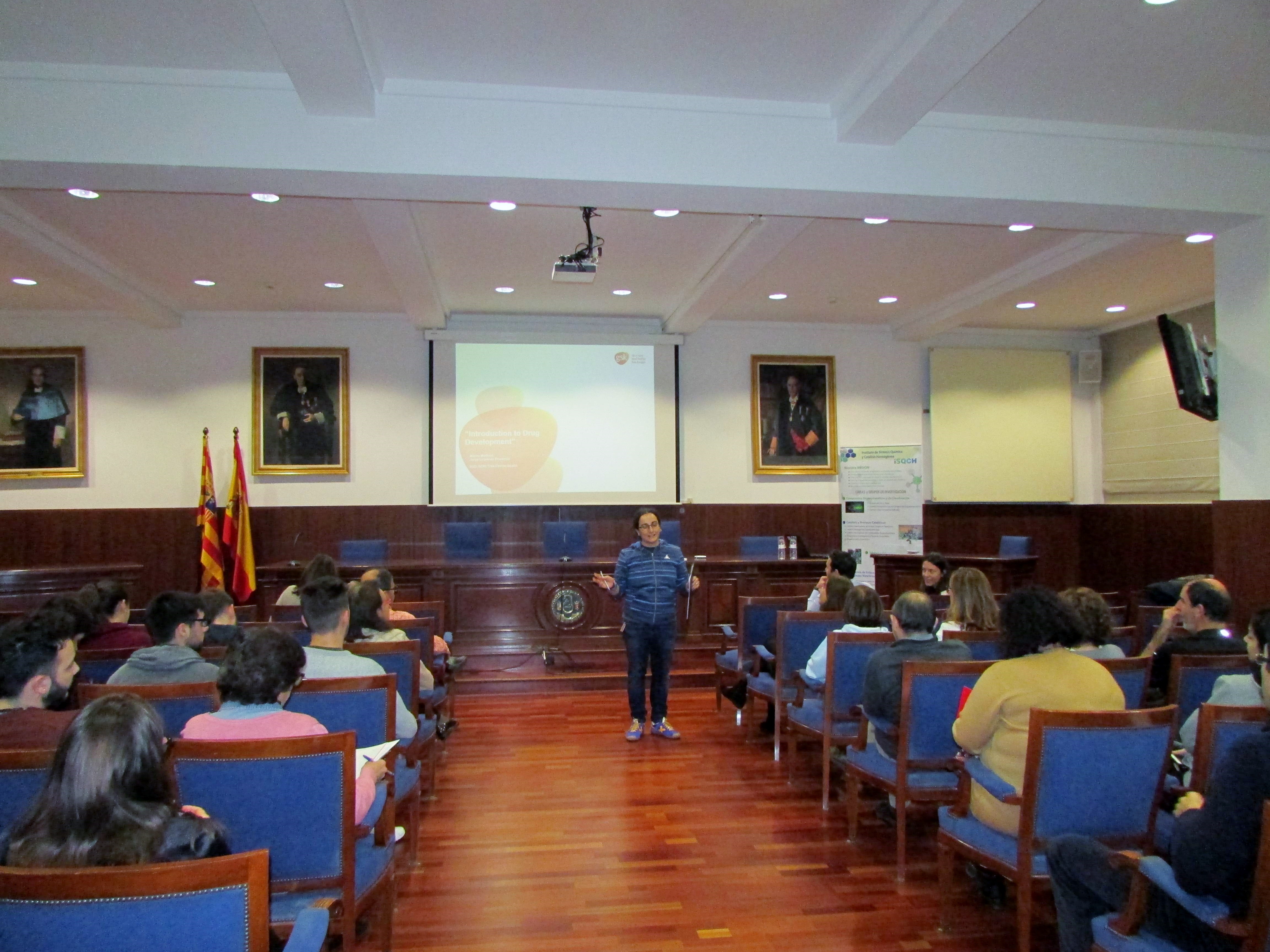
Introduction to Drug Development. GlaxoSmithKline Spain

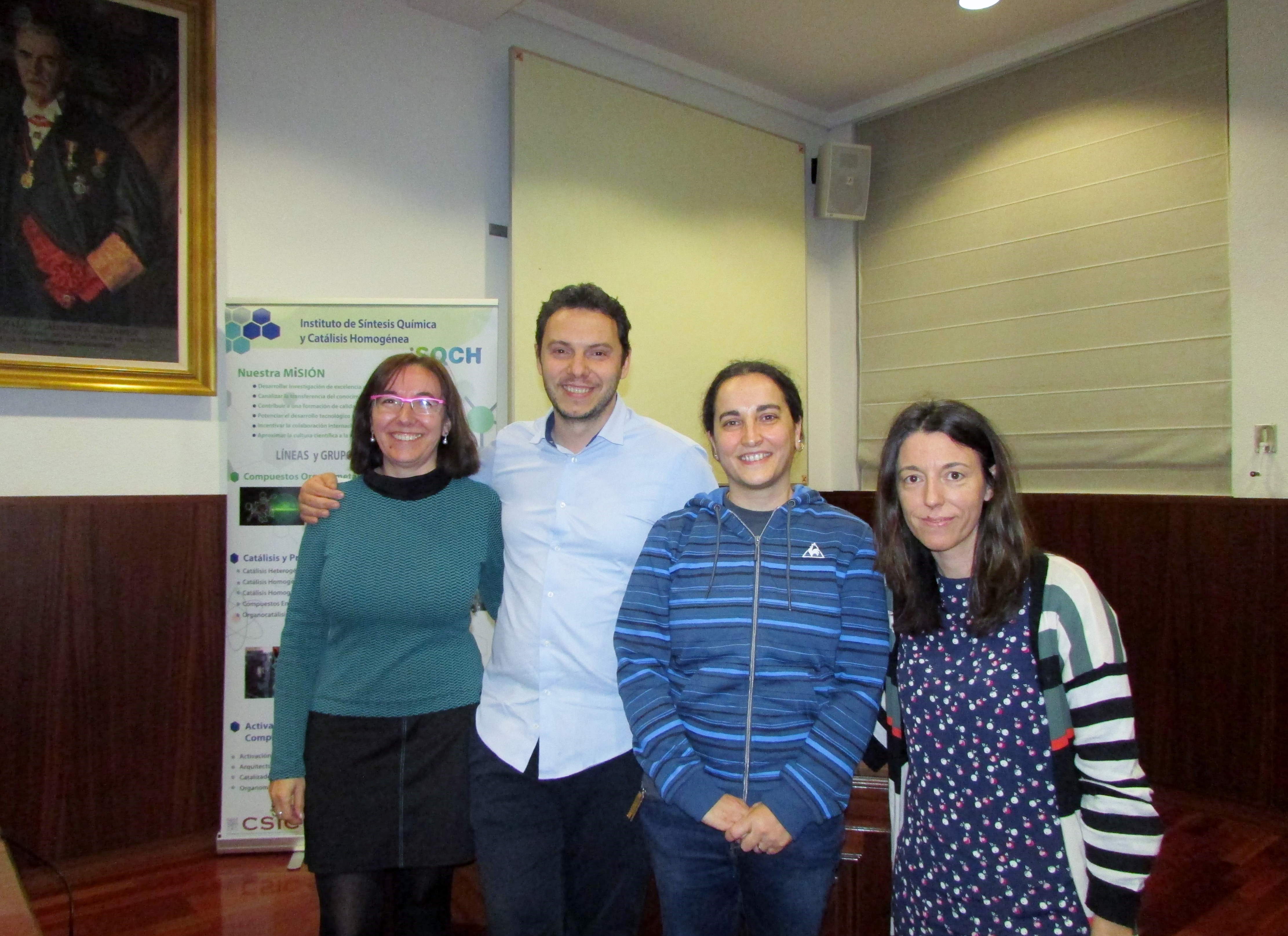
Last January 24th, we enjoyed a very interesting seminar about Introduction to Drug Development within the ISQCH Conferences Cycle. The seminar was taught by Jorge Esquivias Provencio (Project leader, Tuberculosis unit) and María Santos Martínez (DMPK Head), both at the Tres Cantos GSK. They were invited by Raquel P. Herrera and Conchita Gimeno, who have established a promising collaboration with the company.

We learnt a lot! Thanks!

Raquel introducing the speakers.

Conchita, Jorge, Raquel and María (from left to right).


Posted in Conference, Seminar | Tagged , , , , , , , , , | Leave a comment

Enjoy reading a new review about anticancer properties of gold complexes

Anticancer Properties of Gold Complexes with Biologically Relevant Ligands, Fernández-Moreira, V.; Herrera, R. P.; Gimeno, M. C. Pure Appl. Chem. 2018, DOI: https://doi.org/10.1515/pac-2018-0901

AbstractThe present review highlights our findings in the field of antitumor gold complexes bearing biologically relevant molecules, such as DNA-bases, amino acids or peptide derivatives. The results show that very active complexes are achieved with this sort of ligands in several cancer cells. In these compounds the gold center is bonded to these biological molecules mainly through a sulfur atom belonging to a cysteine moiety or to a thionicotinic moiety as result of the functionalization of the biological compounds, and additionally phosphines or N-heterocyclic carbenes are present as ancillary ligands. These robust compounds are stable in the biological media and can be transported to their targets without previous deactivation. The presence of these scaffolds represents a good approach to obtain complexes with improved biologically activity, better transport and biodistribution to cancer cells. Thioredoxin reductase (TrxR) has been shown as the main target for these complexes and in some cases, DNA interactions has been also observed.

Keywordsamino acidsantitumor compoundsDistinguished Women in Chemistry and Chemical EngineeringDNA-base derivativesgold complexespeptides

Posted in Cancer, Collaboration, Gold, Publication, Raquel P. Herrera, Review | Tagged , , , , , , , , , , , , , , | Leave a comment

HOCA in the media

El Periódico de Aragón:

https://www.elperiodicodearagon.com/noticias/aragon/investigacion-desarrolla-farmacos-mas-sostenibles_1333213.html

Aragón Radio:

http://www.aragonradio.es/podcast/emision/investigacion-conjunta-del-csic-y-la-universidad-de-zaragoza/

Posted in Media, Raquel P. Herrera | Tagged , , , , , | Leave a comment

The young chemists and physicists of Aragon told us yesterday their work in the Faculty of Sciences

The 8th Young Aragonese Researchers Meeting took place yesterday (November 22th) in the Faculty of Sciences (Zaragoza).

8ª Jornada de Jóvenes Investigadores (Química y Física) de Aragón. (8ª JJIQFA)

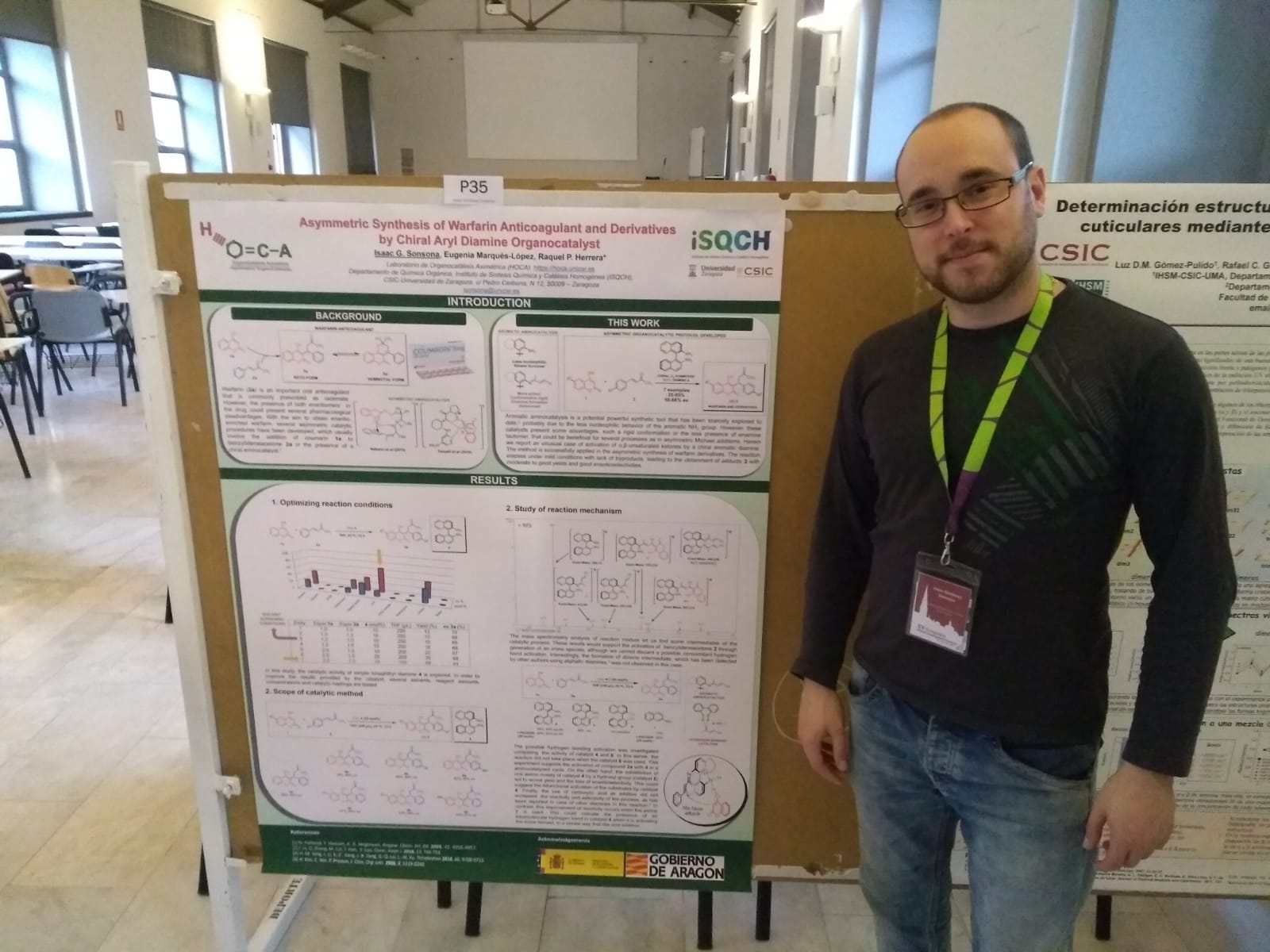
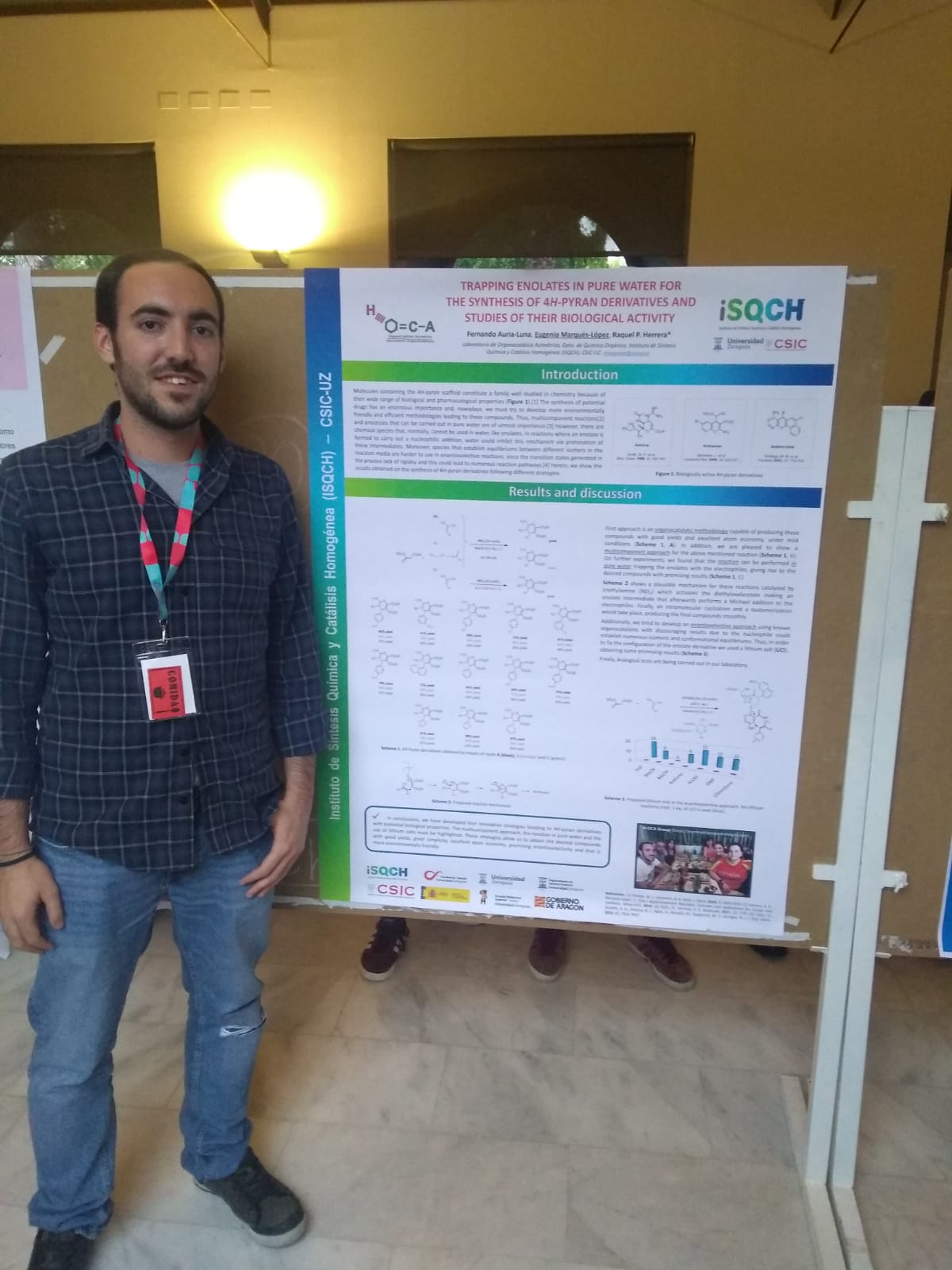
Isaac, Anabel and Fernando successfully presented part of their Doctoral Thesis work. Congratulations!

Isaac in front of his poster about synthesis of warfarin.


Anabel presented her work about synthesis of metal-thioureas.


Fernando presented his work on dihydropyridines synthesis.

Posted in Conference, Congress, Dihydropyridines, Meeting, Metal-thiourea, Synthesis, Warfarin | Tagged , , , , , , , , , , , , , , , , | Leave a comment

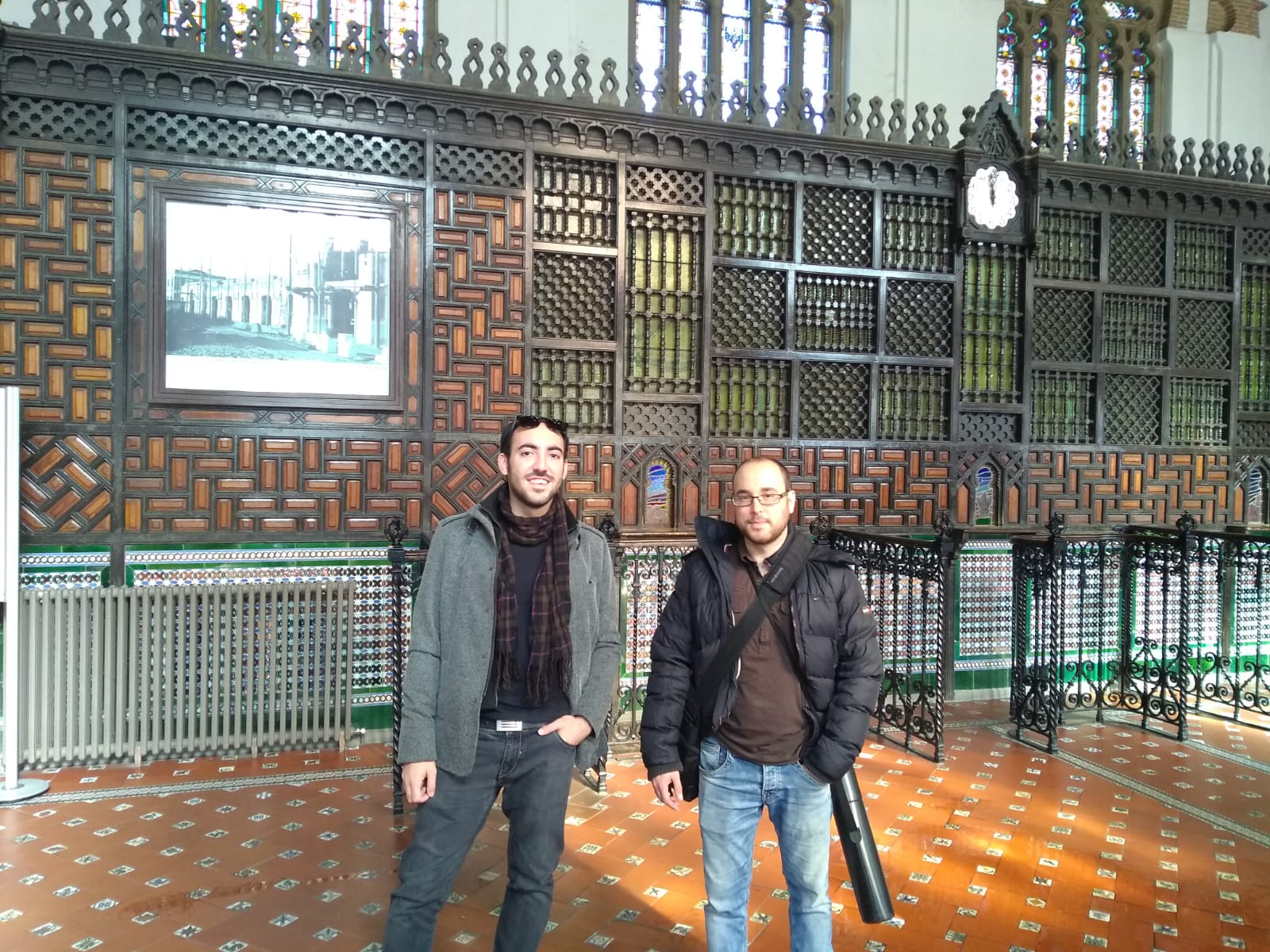
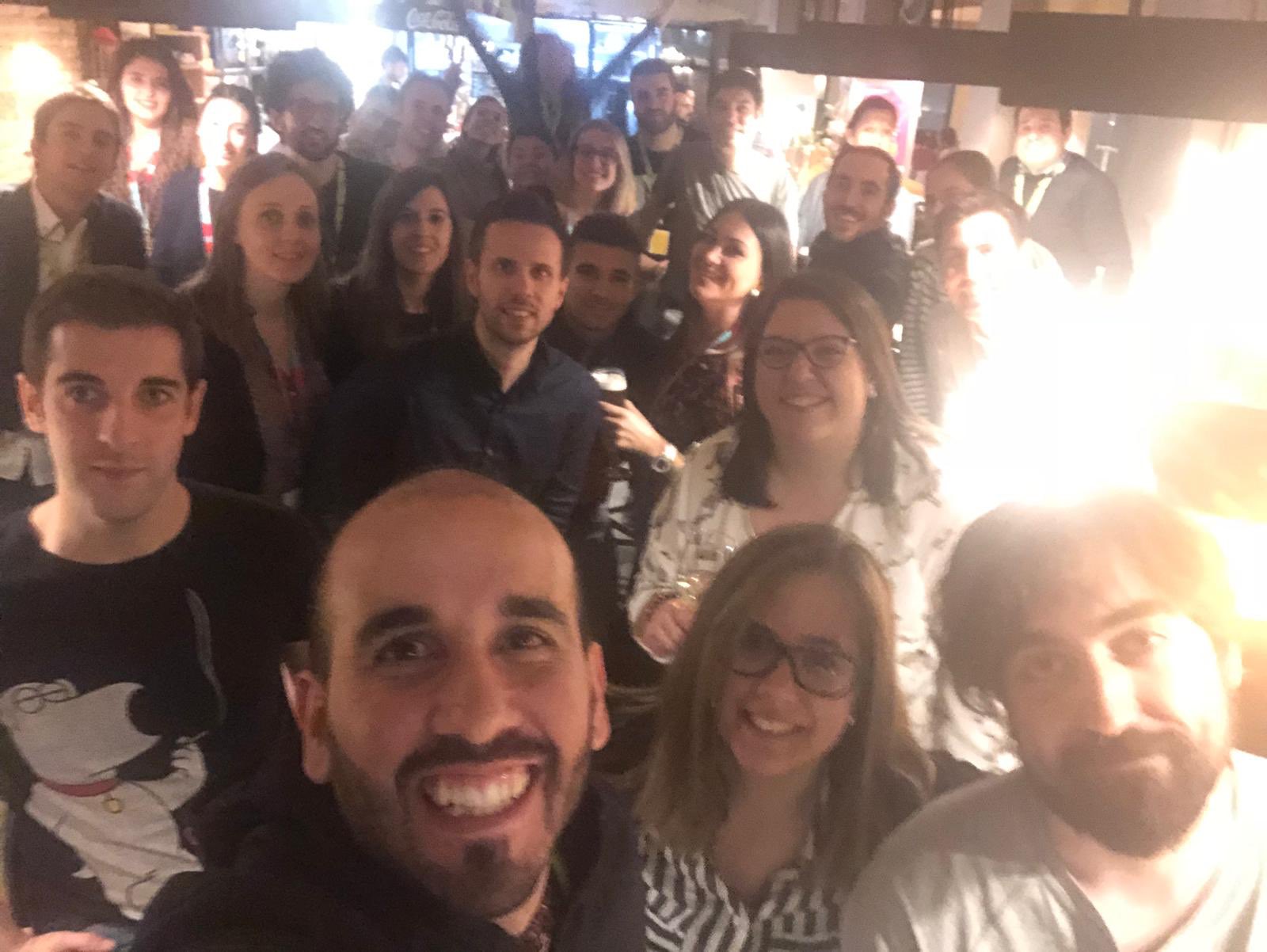
One more year, Chemistry and Young people have had an appointment; this time in the beautiful city of Toledo

Our guys attended last week (5-8 NOVEMBER 2018) the last Young Research Symposium of the Spanish Chemistry Society, celebrated in Toledo.

XV SIMPOSIO DE INVESTIGADORES JÓVENES DE LA REAL SOCIEDAD ESPAÑOLA DE QUÍMICA. REAL SOCIEDAD ESPAÑOLA DE QUÍMICA-SIGMA ALDRICH (MERCK)

They presented their work and enjoyed Toledo!!!

Posted in Congress, Having fun, Meeting | Tagged , , , , , , , , , , , , | Leave a comment

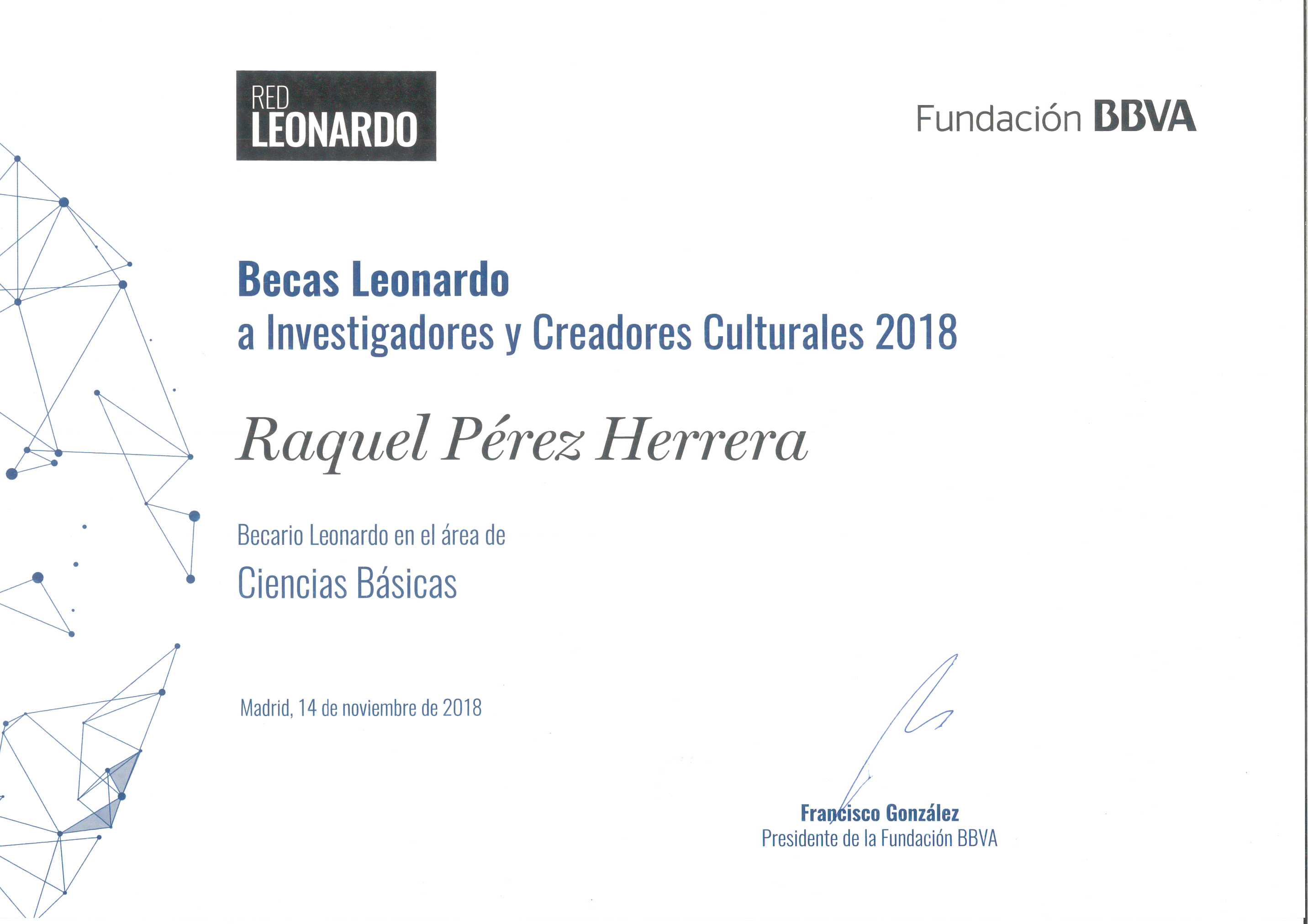
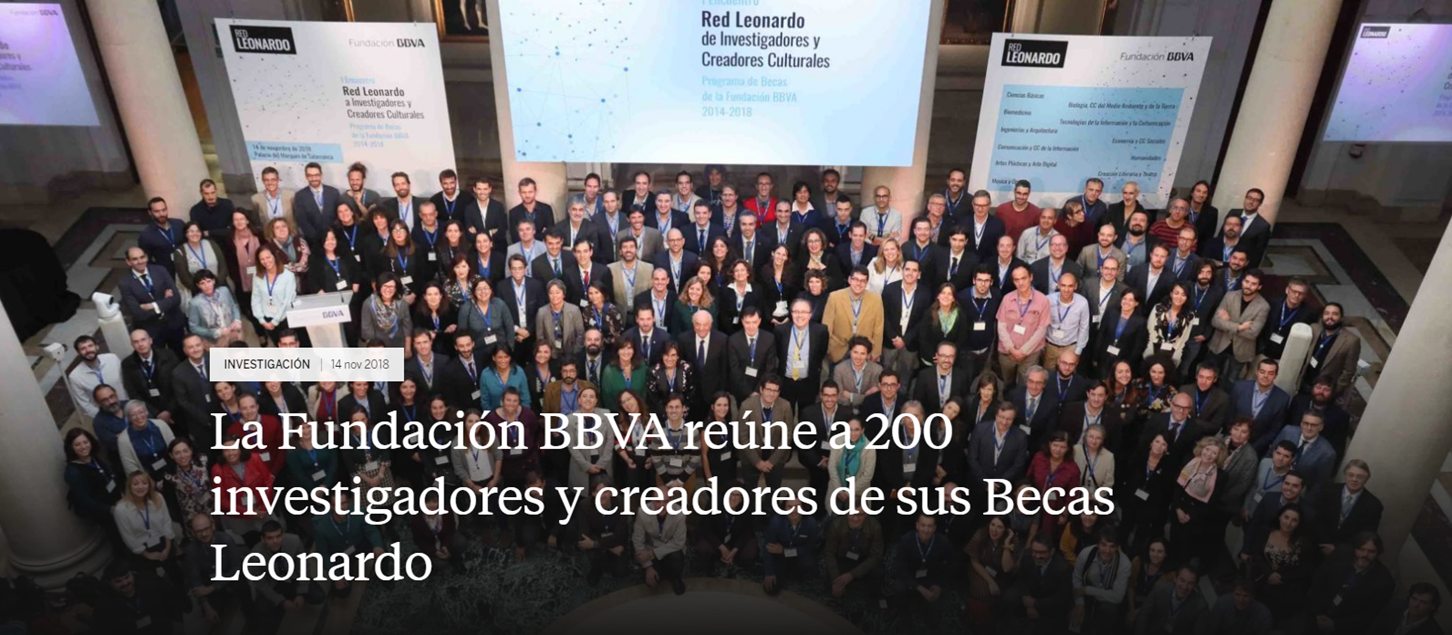
Meeting of the Leonardo Network of the BBVA Foundation

Meeting of the Leonardo Network of the BBVA Foundation

Yesterday, Raquel attended to this big event celebrated in Madrid. Congratulations once again!

Posted in Award, Raquel P. Herrera | Tagged , , , , | Leave a comment

Celebrating the publication of a new article!

First Organocatalytic Asymmetric Synthesis of 1-Benzamido-1,4-Dihydropyridine Derivatives,  Auria-Luna, F.; Marqués-López, E.; Herrera, R. P.  Molecules 2018, 23(10), 2692. https://doi.org/10.3390/molecules23102692. Special Issue “Stereogenic Centers

Abstract. Preliminary results concerning the first asymmetric synthesis of highly functionalized 1-benzamido-1,4-dihydropyridine derivatives via the reaction of hydrazones with alkylidenemalononitriles in the presence of β-isocupreidine catalyst are reported. The moderate, but promising, enantioselectivity observed (40–54% ee), opens the door to a new area of research for the asymmetric construction of new chiral 1,4-dihydropyridine derivatives, whose enantioselective catalytic preparation are still very limited. Moreover, the use of hydrazones for the enantioselective construction of chiral 1,4-dihydropyridines has been overlooked in the literature so far. Therefore, our research represents a pivotal example in this field which remains still unexplored.

Keywordschiral base; 1,4-dihydropyridine; enantioselective; hydrazone; organocatalysis

Congratulations Fer!!
Posted in Dihydropyridines, Eugenia Marqués-López, Heterocycle, Organic chemistry, Organocatalysis, Publication, Raquel P. Herrera, Research | Tagged , , , , , , , , , , | Leave a comment

Raquel is in the Basque Country

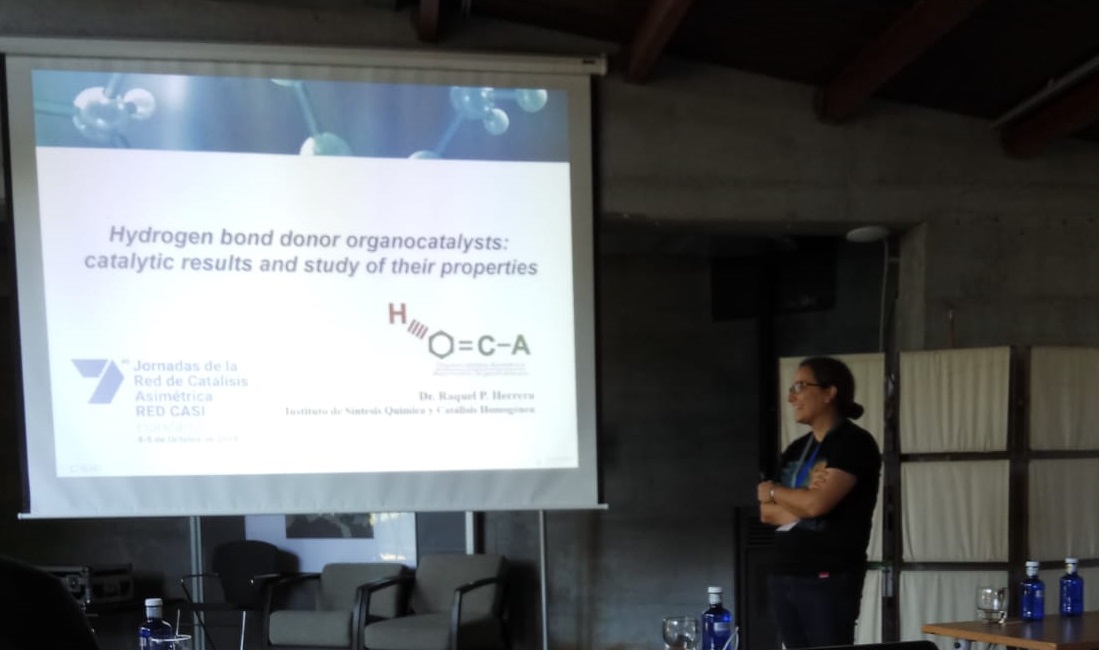
She attendes to the 7ª JORNADAS DE LA RED DE CATÁLISIS ASIMÉTRICA (7J_CASI) – 2018 (4-5th October. Hondarribia – Fuenterrabía, Gipuzkoa, Spain).

No doubt about she will also enjoy the great Basque food!

Posted in Conference, Congress, Raquel P. Herrera | Tagged , , , , , , , , , , | Leave a comment

Raquel combined holidays and work last summer

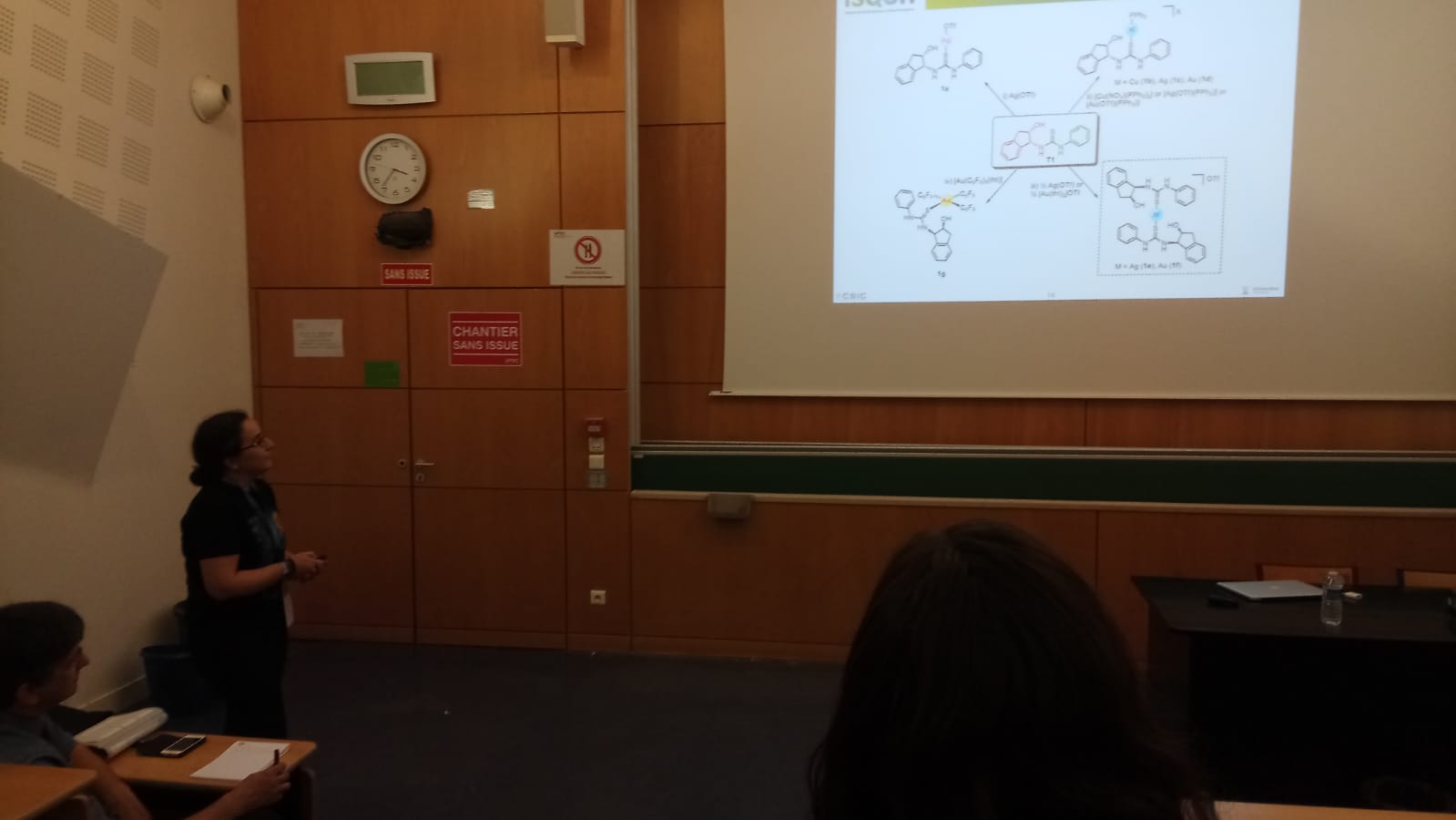
Gold 2018 (15-18 July, 2018 – Paris, France)

Gold(I)-Mediated Thiourea Organocatalyst Activation: A Synergic Effect for Asymmetric Catalysis. Raquel P. Herrera, Anabel Izaga, Juan V. Alegre-Requena, M. Concepción Gimeno. (S5 O5)


Groupe d’Etudes en Chimie Organique 59 (26-31 August, 2018 – Cabourg, France)

New Trends in Hydrogen Bonds based Catalysts. Raquel P. Herrera.


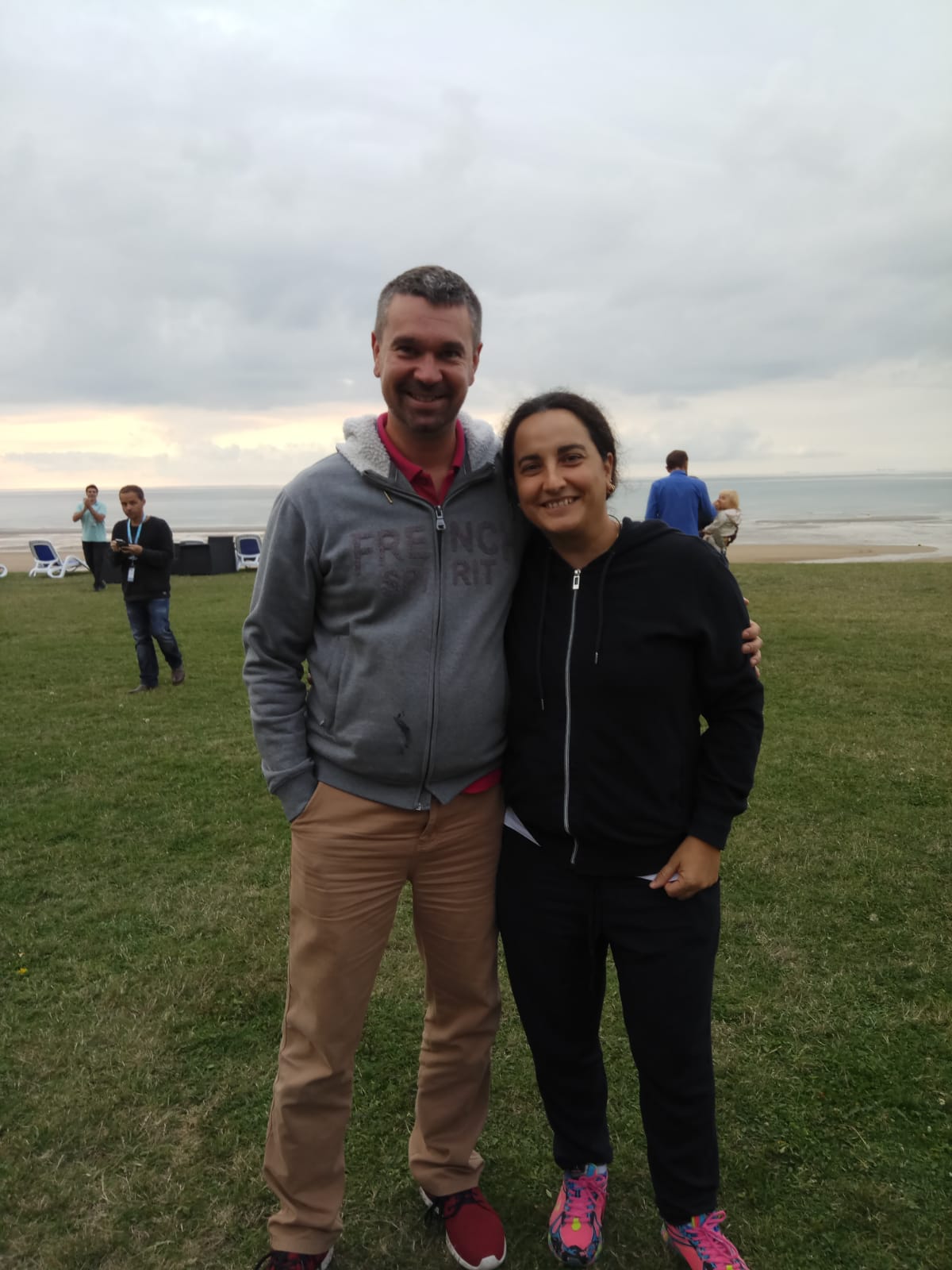
She met in Cabourg an old friend, Christophe Pichon.

Posted in Uncategorized | Leave a comment