Multimodal antiproliferative effects of oleanolic acid mitocans: in vitro and in vivo studies, Puerta, A.; González-Bakker, A; Romanos, E.; Aguilar Domínguez, I.; Martínez-Montiel, M.; Merino-Montiel, P.; Herrera, R. P.; Gimeno, M. C.; Fernández-Bolaños, J. G.; López, O.; Padrón, J. M. Biochem. Pharm. 2025, 234, 116807. DOI: 10.1016/j.bcp.2025.116807.
Abstract. Mitochondria-targeting drugs (mitocans) based on organic cations are emerging as powerful and selective cancer therapeutics. In this study, we have evaluated a novel series of oleanolic acid-derived mitocans, revealing nanomolar-range antiproliferative effects against human solid tumor cells. Continuous live-cell imaging revealed extensive cytoplasmic vacuolation, while mechanistic studies identified paraptosis as the dominant form of cell death. Remarkably, in vivo experiments demonstrated significant tumor growth inhibition in mice, with no detectable toxicity at therapeutic doses. These findings highlight the potential of oleanolic acid-derived mitocans as promising candidates for cancer therapy.



 C bond formation reactions. These DESs serve as both organocatalysts and reaction media in the aldol reaction, reducing the need for additional toxic or hazardous chemicals. By employing these DESs, we were able to activate the desired reaction through the condensation of ketones and L-proline via enamine activation. This approach eliminates the requirement for traditional, often environmentally harmful, organic solvents. Notably, diethylene glycol played a crucial role in modulating the reaction performance, including conversion and enantioselectivity. Diethylene glycol is a relatively safer alternative compared to other commonly used solvents or additives with potential environmental and health risks. Moreover, reducing the L-proline content in the DESs led to a slight increase in the enantiomeric excess of the predominant diastereomeric product. This finding suggests the possibility of minimizing the use of L-proline, which can be advantageous from both cost and environmental perspectives.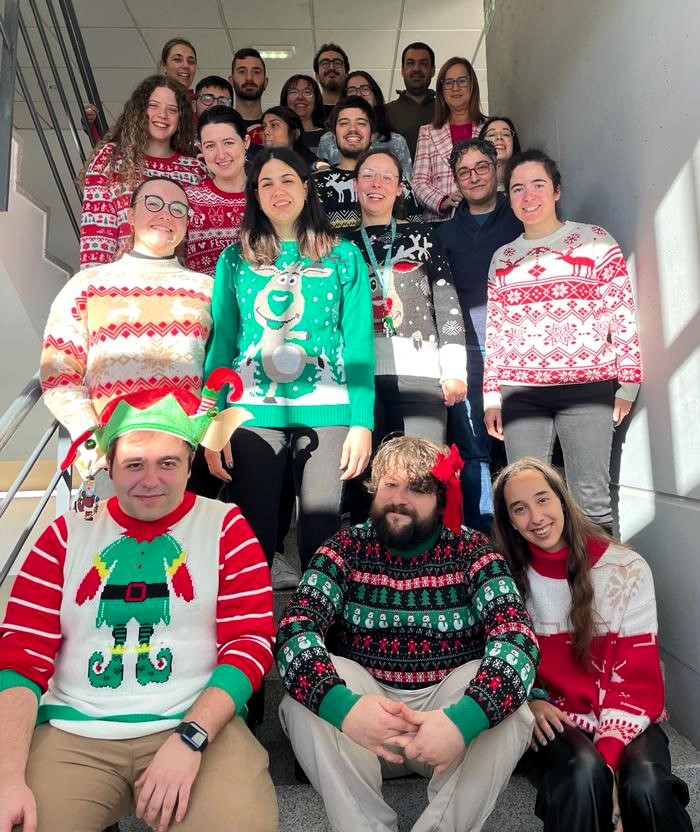


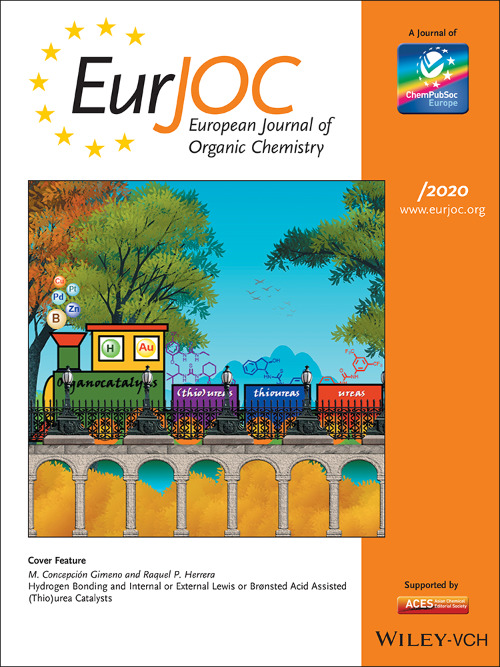









 Herrera-OrganoCatalisis Asimétrica Group