Since 1st June, Juan is an ARAID researcher at the ISQCH, incorporated in our group.
Congratulations and good luck!
Receive a very warm virtual welcome!
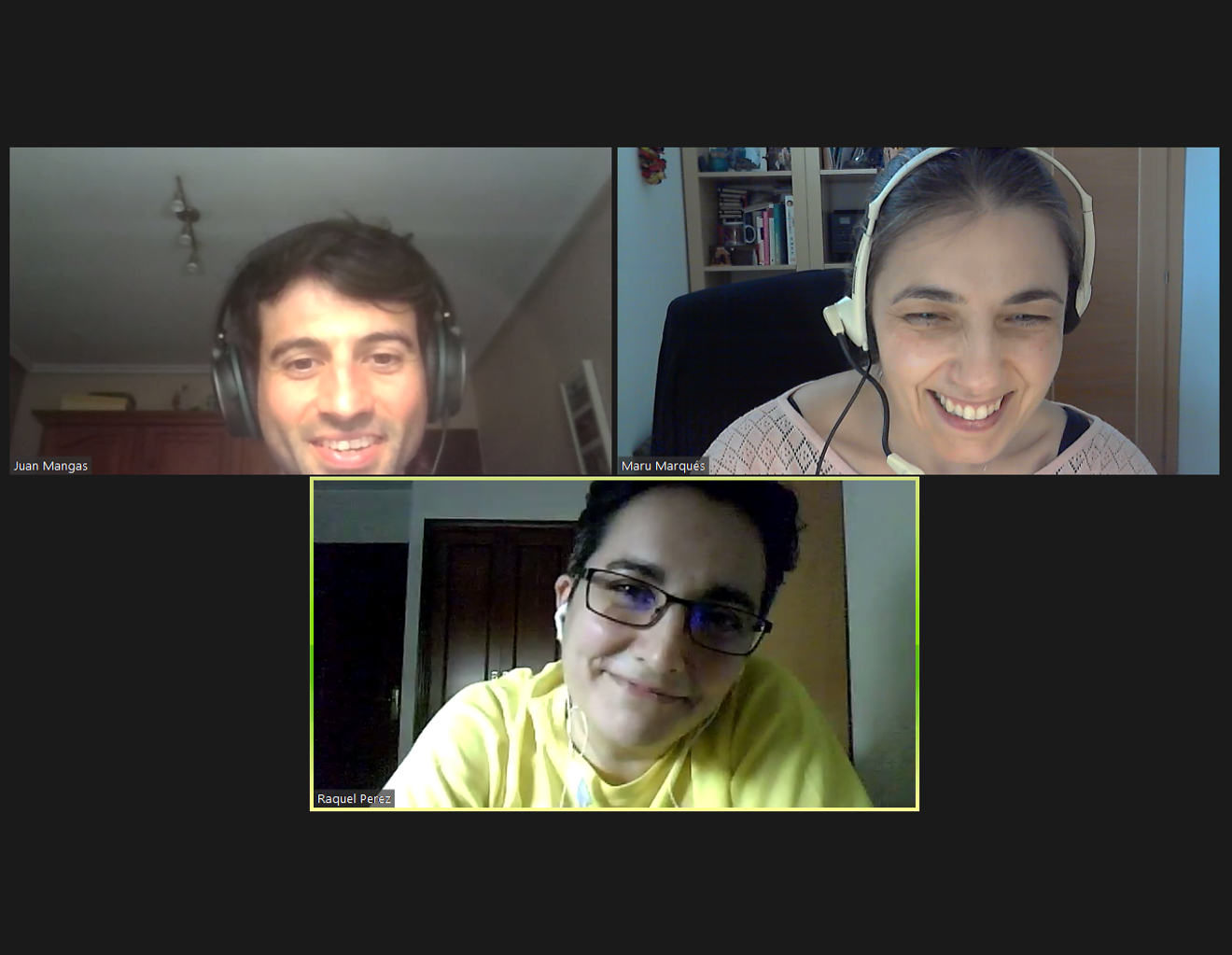
…thank you guys!

Congratulations and enjoy Asturias as much as you can… Zaragoza is wonderful, but we have not beaches like those 😉

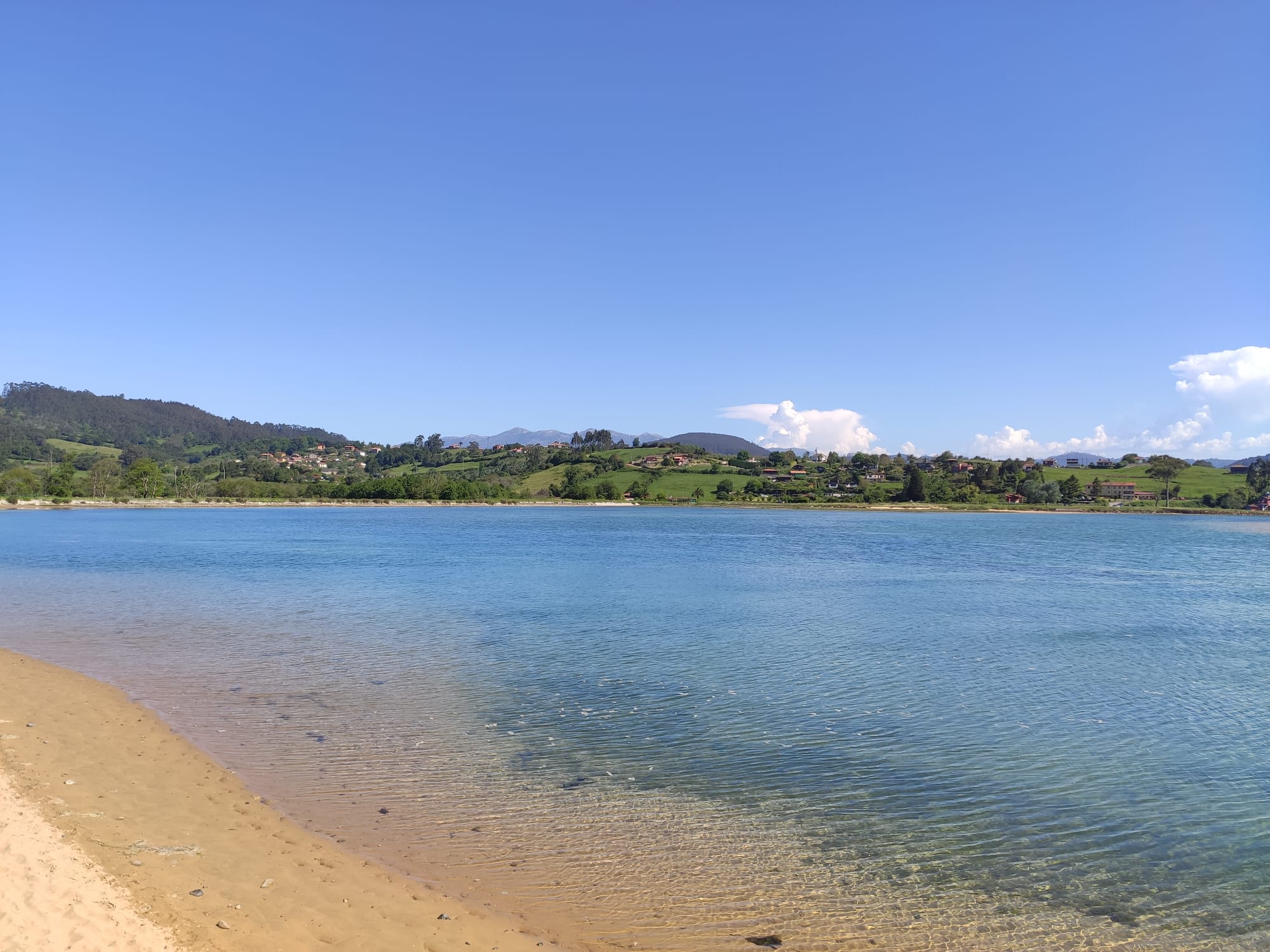
Many kisses from Zaragoza, Elche, Tarazona and Fort Collins to Murcia…

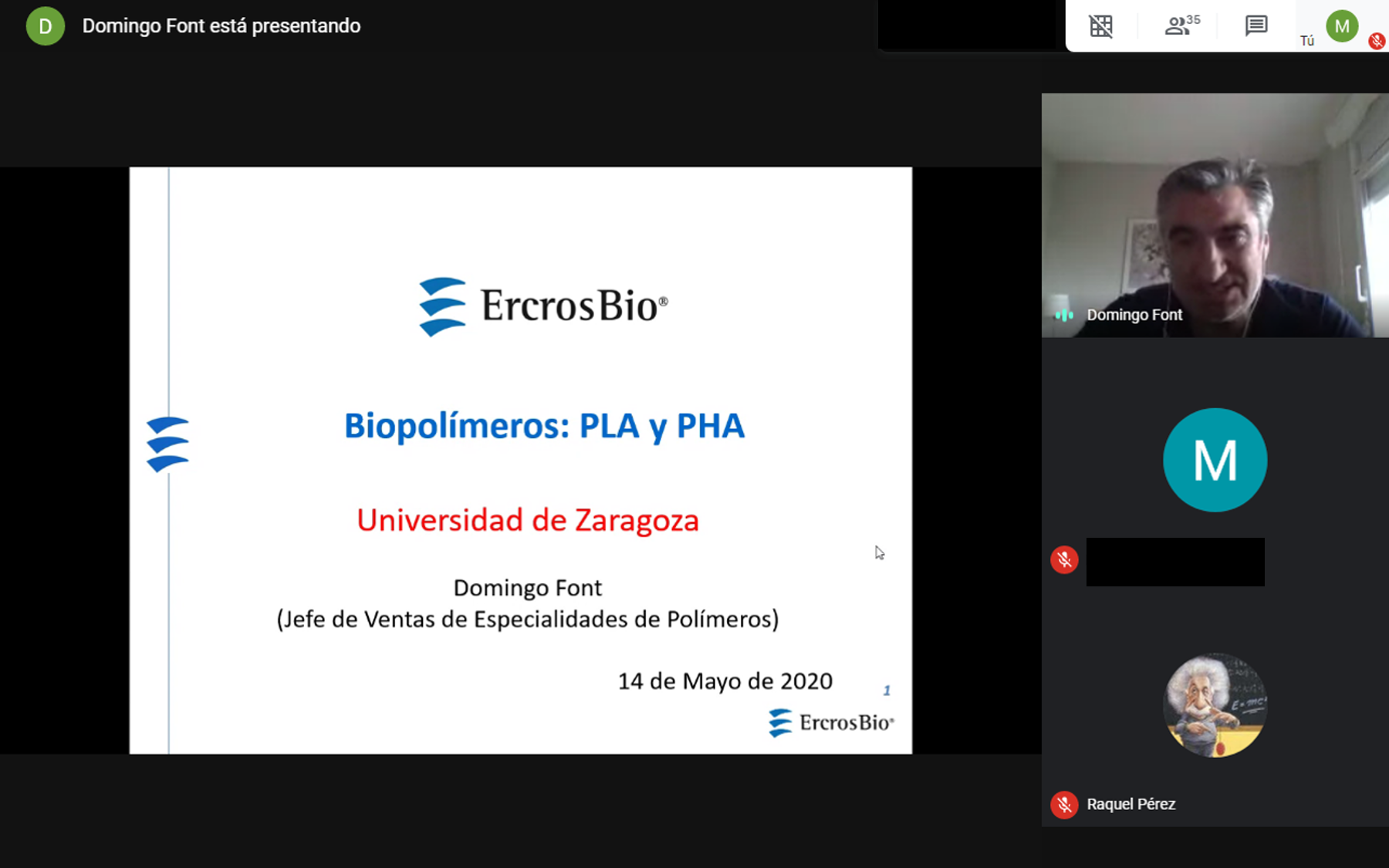
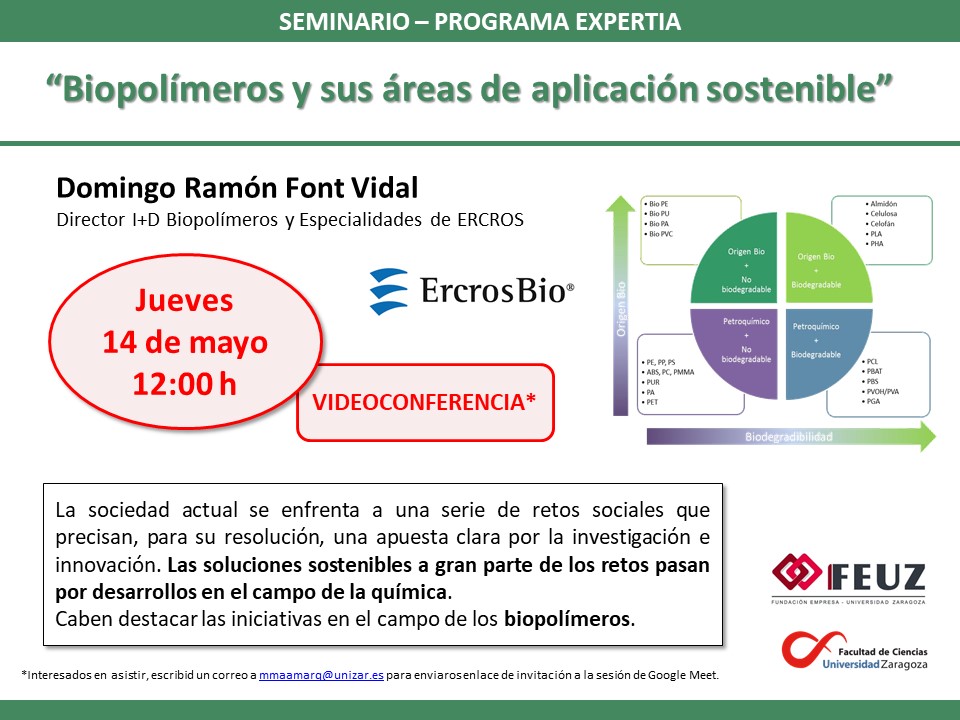
Today’s society faces challenges that require sustainable solutions such as initiatives in the field of biopolymers.
Many thanks to Domingo R. Font (ErcrosBio) for such a wonderful conference!
Delicious tiramisu!
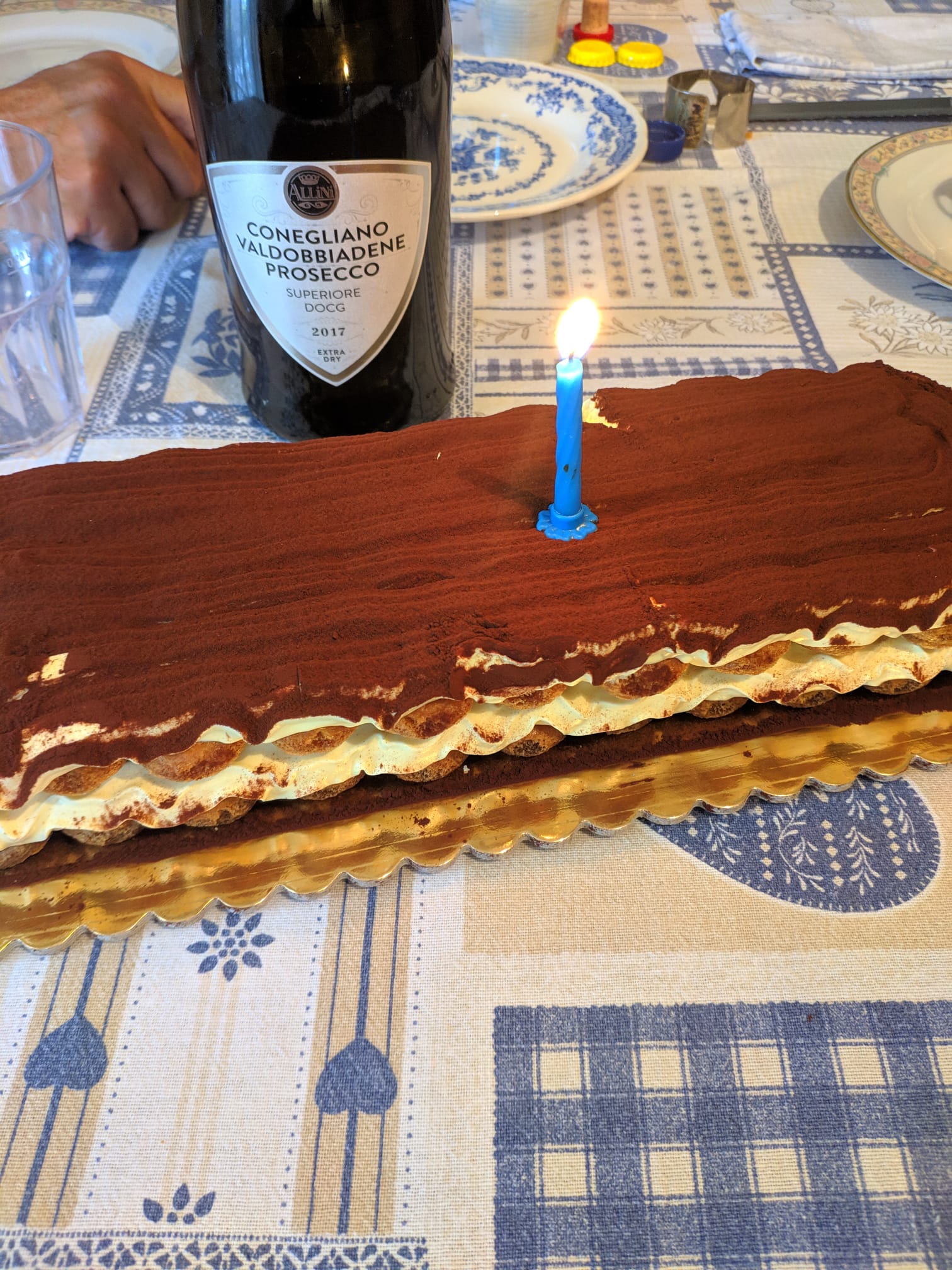

Last 25th April our dear Fanny celebrated her birthday at home, and we decided to visit her…
Happy birthday!

Sulfonamide as amide isostere for fine-tuning the gelation properties of physical gels, Alegre-Requena, J. V.; Grijalvo, S.; Sampedro, D.; Mayr, J.; Saldías, C.; Marrero-Tellado, J. J.; Eritja, R.; Herrera, R. P.; Díaz, D. D. RSC Adv. 2020, 10, 11481-11492.
Abstract. (S)-2-Stearamidopentanedioic acid (C18-Glu) is a known LMW gelator that forms supramolecular gels in a variety of solvents. In this work, we have carried out the isosteric substitution of the amide group by a sulfonamide moiety yielding the new isosteric gelator (S)-2-(octadecylsulfonamido)pentanedioic acid (Sulfo-Glu). The gelation ability and the key properties of the corresponding gels were compared in terms of gelation concentration, gel-to-sol transition temperature, mechanical properties, morphology, and gelation kinetics in several organic solvents and water. This comparison was also extended to (S)-2-(4-hexadecyl-1H-1,2,3-triazol-4-yl)pentanedioic acid (Click-Glu), which also constitutes an isostere of C18-Glu. The stabilizing interactions were explored through computational calculations. In general, Sulfo-Glu enabled the formation of non-toxic gels at lower concentrations, faster, and with higher thermal-mechanical stabilities than those obtained with the other isosteres in most solvents. Furthermore, the amide-sulfonamide isosteric substitution also influenced the morphology of the gel networks as well as the release rate of an embedded antibiotic (vancomycin) leading to antibacterial activity in vitro against Staphylococcus aureus.
One more year… and getting younger!
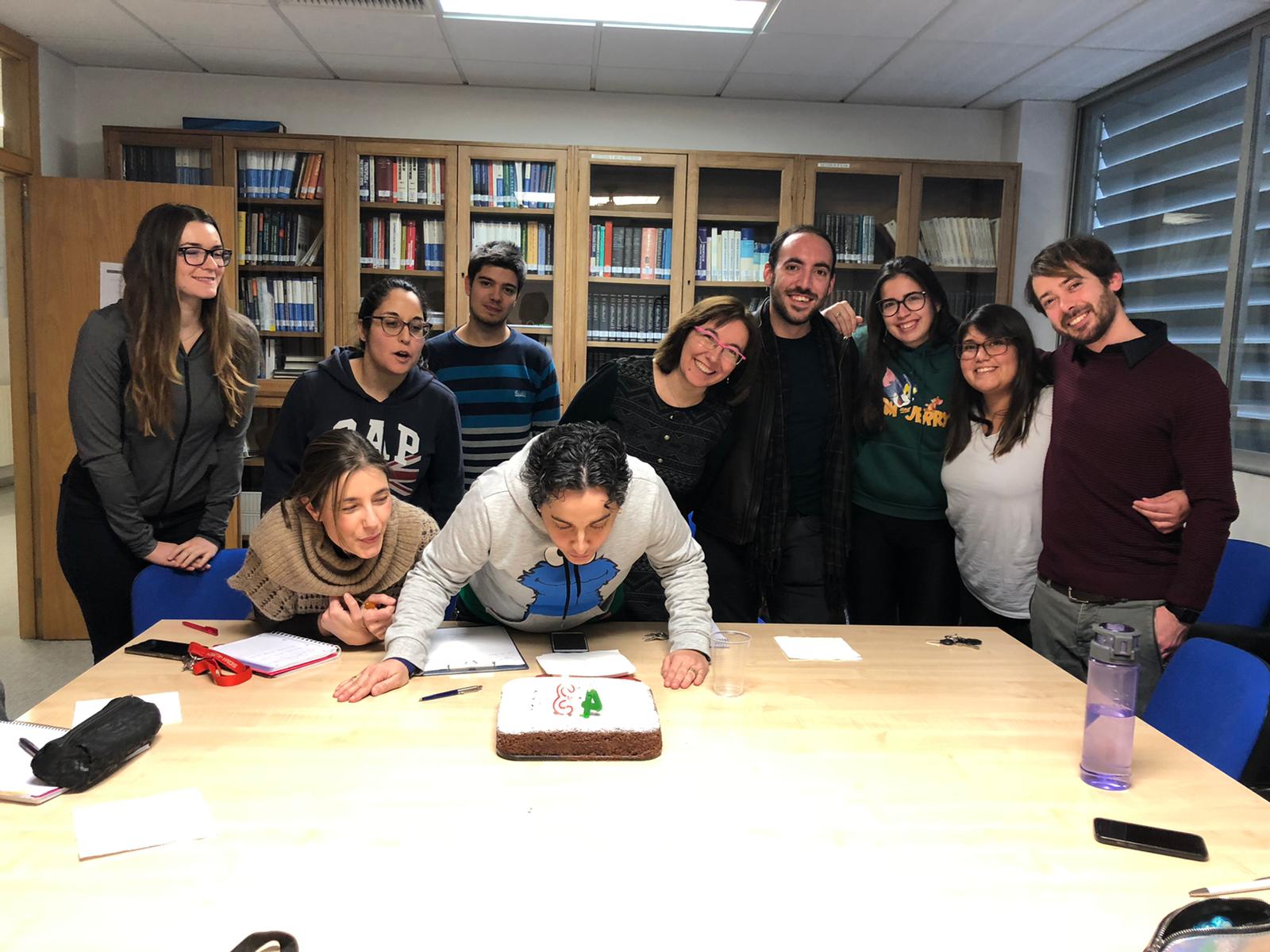
Sara, Maru, Esther, Guillermo, Raquel, Conchita, Fer, Sandra, Fanny and Jacopo.





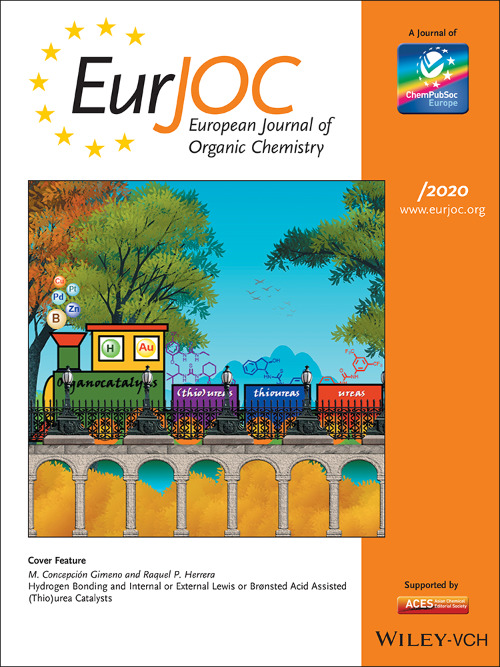







 Herrera-OrganoCatalisis Asimétrica Group